Propane Made My In-Floor Heat Too Expensive, So I Switched To A Heat Pump
Last Updated on August 4, 2026 by Chad Peterson
While in Hawaii, enjoying the beautiful weather, our cabin in Central Oregon was in the middle of a severe winter storm. The cabin was a vacation rental at the time, and the renters called, saying they had no hot water and the range was sputtering, like it was running out of propane and not lighting. The in-floor heat had drained a 300-gallon propane tank in less than a month.
It Wasn’t The In-Floor Heat, It Was The Propane
I want to be clear about something before I get further into this story: in-floor heat is genuinely great. My daughter has a hydronic system in her home in Idaho, running on natural gas, and she loves it. Warm floors, quiet, nice, even heat. There’s nothing wrong with the technology.
What went wrong at my cabin wasn’t the hydronic system; it was the fuel source and the situation I put it in. A remote cabin heated by propane that has to be trucked in and stored in a tank, is a completely different economic picture than a full-time home on natural gas or municipal utility service. It’s the same technology, but it wasn’t practical for my pocketbook.
How We Got There: Building The Cabin
When we built the cabin, a 3 bedroom, 2 bath place at about 1,600 square feet, I went with hydronic heat for the main feel of it. Radiant floor heat, warm from the ground up, quiet, no blower noise. I installed a Lennox Complete Heat unit, a propane fired boiler that ran the hydronic floor loops and doubled as the domestic hot water heater, all in one box. During construction I also had an electric furnace and ductwork put in, so there was a second heating system already in place before the cabin ever opened.
I’ve been in this trade over 40 years, and I still liked the idea enough to put it in my own cabin. That should tell you something about how good in-floor heat feels. What I didn’t fully account for was how much it would cost to run on propane, especially in a place that sits empty for stretches between renters and then has to recover fast when a storm hits.
The Storm That Emptied The Tank
That call from the renters was the moment it stopped being a theoretical cost problem. A 300-gallon propane tank is not small, and watching the system burn through one in under a month, in a rental that isn’t even occupied full time, is what made the decision for me. Propane delivered to a rural site already costs more than utility gas or electric, and a hydronic system trying to keep a slab warm through a hard freeze will drink it fast. That’s when I ripped the boiler out of the space heating side for good.
Switching Space Heat To A Heat Pump
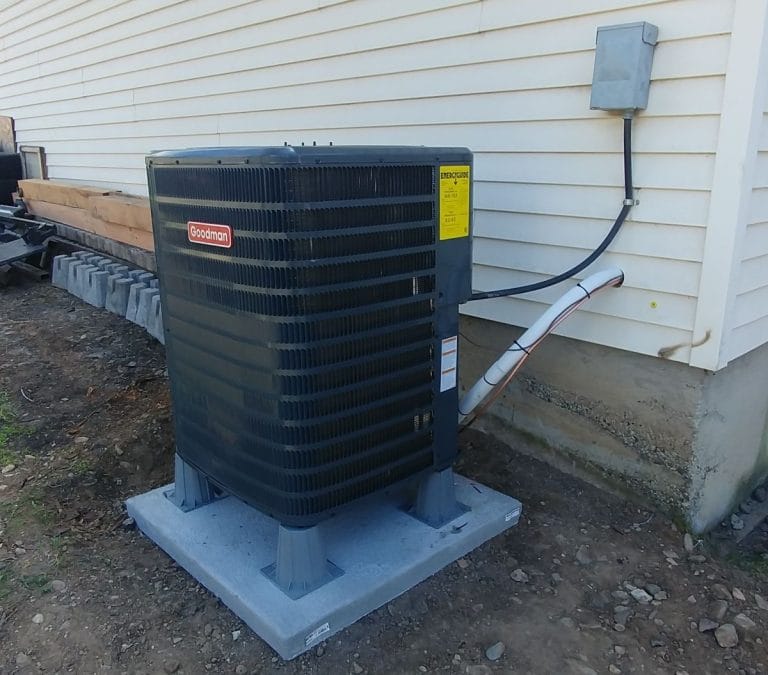
Because the ductwork was already there from the electric furnace, I started running that instead as soon as the boiler came out. Later I added a heat pump onto that same ductwork, mainly to finally get air conditioning out of the place, which the hydronic system could never do. The heat pump handles most of the heating now too, with the electric furnace still there as backup for the coldest stretches.
Even The Hot Water Eventually Went Electric
I kept the Lennox unit around for a while just for domestic hot water since it was already there and paid for. But eventually I pulled it entirely and put in a standard electric water heater. Now the whole cabin runs on electric, no propane tank to keep filled and no delivery truck to schedule around.
What I’d Tell Anyone Considering In-Floor Heat In A Cabin Or Rental
Don’t rule out hydronic heat because of my experience, my daughter’s system proves it works well when it’s matched to the right situation. What I’d tell you instead is to think hard about the fuel source before you commit. If you have natural gas or reliable utility electric, and the place is occupied full time, in-floor heat can be a great choice. If you’re building a remote cabin or a vacation rental that runs on delivered propane and sits empty between guests, get a real number on what that propane is going to cost you before you pour the concrete, and don’t be afraid to put ductwork in as a backup even if radiant floor heat is your main plan. That backup ductwork is what saved me.
The Short Version
I installed a propane fired Lennox Complete Heat boiler to run in-floor heat and domestic hot water in my 1,600 square foot cabin, with an electric furnace and ductwork also going in during construction. The system itself was never the problem, my daughter has the same kind of hydronic heat on natural gas in Idaho and loves it. It was propane, delivered and stored on-site for a property that sits empty between renters, that made the cost impossible to ignore. A single winter storm that drained a 300-gallon tank in under a month proved it. I switched space heating over to the electric furnace, then later added a heat pump on that same ductwork for cooling and more efficient heat, and replaced the water heater too. Now the whole cabin runs on electric.