Can I Run My New Gas Range Off The Furnace’s Gas Pipe?
Last Updated on July 29, 2026 by Chad Peterson
The question I get asked more than any other about gas piping is whether a new gas range can just tap into the furnace’s gas line. It usually comes up in a basement, where the furnace’s gas pipe happens to run right underneath where the new range is going in the kitchen above. It looks like the obvious, convenient shortcut.
Sorry, but that gas pipe is sized to run the furnace. Adding a range to that gas line could possibly rob gas from the furnace.
The important thing is to be safe. Get at least a couple of bids. Even if you end up doing this gas piping yourself, get a permit if it’s required. Most inspectors are willing to work with homeowners — they may even be good instructors.
Why You Can’t Just Tap Into The Furnace Gas Line
Gas pipe is sized by the BTU load of the appliance it’s connected to. Whoever ran that line to your furnace sized the pipe diameter for exactly one job: carrying enough gas to the appliances it’s connected to, over that one distance, and nothing else.
A gas range adds real demand to that pipe, often somewhere in the 65,000 to 100,000+ BTU range depending on the model. Tap into the furnace’s existing line and you’re asking a pipe that was never sized for that extra load to suddenly carry it, at the far end of an already-long run.
When a line is undersized for the total load, gas pressure drops. Appliances starved of fuel don’t just run weak; they can burn incompletely, which means yellow flames, soot, and even carbon monoxide. Don’t mess with carbon monoxide.
What A Proper Install Actually Looks Like
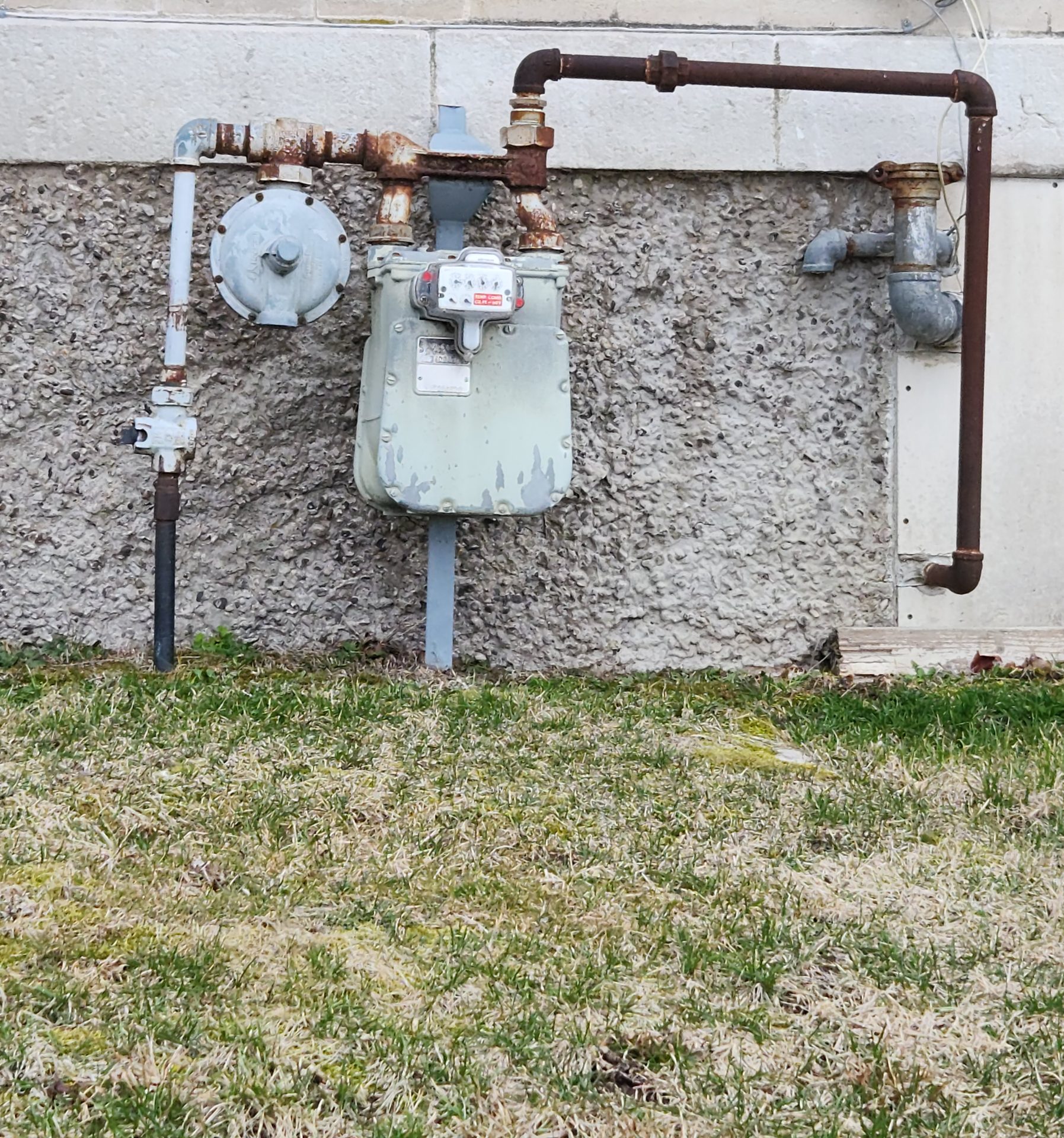
The correct fix is a dedicated run from the gas meter, sized for the combined BTU load of everything on it, not just the new range. That means a licensed gas fitter adds up the BTU demand of the furnace, the range, and anything else on that line, then sizes the whole trunk line to carry that total, not just whatever the smallest branch needs.
Running a smaller pipe to the first appliance and then branching off to a smaller line for the next one isn’t how it works. The trunk has to be sized to handle the full combined load for its entire length, and each branch sized down from there.
I know it costs more than just tapping into an existing pipe. It’s also the only way to make sure both the furnace and the new range actually get the gas they need, at the pressure they need it, without robbing one appliance to feed the other.
The Conclusion You Should Come To
The furnace’s existing gas pipe is sized for the furnace alone. Adding a gas range means sizing an entirely new run from the meter for the combined BTU load of both appliances, not tapping into what’s already there. It costs more upfront, but it’s the difference between appliances that actually work right and ones that are quietly starved for gas.